
Planning a trip, whether for business or leisure, requires careful consideration of various factors, including safety and security. Travel advisories provide crucial information about potential risks and challenges you might encounter at your destination. Understanding these travel advisories and how to interpret them is paramount to ensuring a safe and smooth journey. This article will delve into the intricacies of travel advisories, explaining their different levels, the information they convey, and how to effectively incorporate them into your travel planning process. From understanding the threat levels to assessing country-specific risks, this guide will equip you with the knowledge necessary to make informed travel decisions.
Navigating the world of travel safety can be daunting. However, by understanding the purpose and application of travel advisories, travelers can proactively mitigate potential risks. This article provides a comprehensive overview of travel advisories, outlining their importance in travel planning and offering practical advice on how to use them effectively. Learn how to decipher the various advisory levels, from routine precautions to avoid non-essential travel, and discover resources for staying up-to-date on evolving travel risks. By utilizing this information, you can make well-informed decisions and travel with confidence, ensuring a safer and more enjoyable experience.
What Are Travel Advisories?
Travel advisories are official statements issued by governments to inform their citizens about safety and security conditions in foreign countries. They provide risk assessments and recommendations to help travelers make informed decisions about their trips.
These advisories consider various factors, including health risks, political stability, crime rates, natural disasters, and terrorism threats. They offer valuable guidance on potential dangers and suggest precautions to mitigate risks.
Who Issues Them and Why
Travel advisories are typically issued by government bodies, such as state departments or foreign affairs ministries. They can also be issued by international organizations like the World Health Organization (WHO).
The primary reason for issuing travel advisories is to inform citizens and travelers about potential safety and security risks in specific destinations. These risks can range from political instability and crime to health concerns and natural disasters.
Advisories aim to help travelers make informed decisions about their trips, allowing them to assess potential risks and take necessary precautions.
How to Interpret Advisory Levels
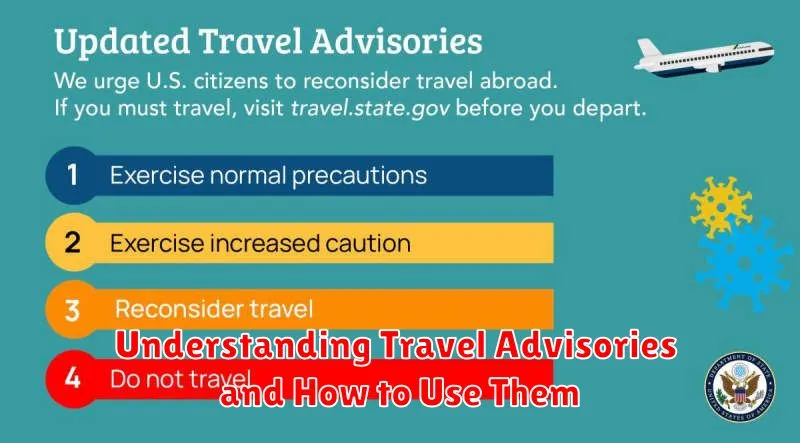
Travel advisories typically use a tiered system to indicate the level of risk. Understanding these levels is crucial for informed decision-making. Pay close attention to the specific criteria used for each level, as these can vary between issuing authorities.
Level 1 advisories usually suggest exercising normal precautions. Level 2 indicates increased caution due to potential safety or security concerns. Level 3 advises reconsidering travel, and Level 4 strongly advises against travel due to significant risks.
Finding Official and Updated Sources
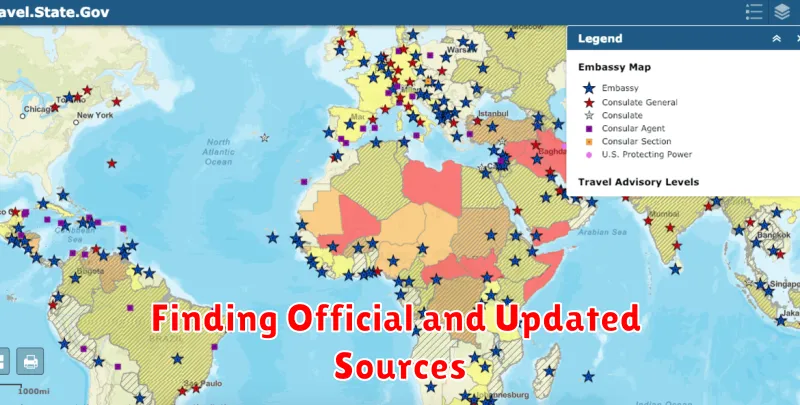
When researching travel advisories, using official government sources is paramount. These sources provide the most accurate and up-to-date information on safety and security concerns.
Your home country’s government will likely have a dedicated website or department that publishes travel advisories. Look for departments focused on foreign affairs, state, or similar designations. Additionally, checking the destination country’s official government website can provide valuable insights into local conditions and regulations.
How Advisories Affect Travel Insurance
Travel advisories can significantly impact your travel insurance coverage. Heed advisories issued before your trip, as purchasing insurance after an advisory is in effect may limit or invalidate certain benefits.
Typically, standard travel insurance policies do not cover trips to destinations under a Level 4 “Do Not Travel” advisory. For lower-level advisories, coverage may still be in place, but certain claims, such as those related to trip cancellation due to fear of travel, may be denied. Check your policy wording for specific details regarding advisory levels and coverage.
When to Cancel or Adjust Your Plans
Travel advisories serve as valuable tools for making informed decisions about your trips. A Level 4: Do Not Travel advisory warrants serious consideration of cancellation. These advisories indicate a greater likelihood of life-threatening risks.
Level 3: Reconsider Travel advisories suggest reevaluating your plans. Consider the potential impact of the advisory on your trip, and whether alternative arrangements are necessary. Lower-level advisories (1 and 2) usually require increased vigilance and awareness of potential risks but don’t necessarily mandate cancellation.
Your personal risk tolerance is a key factor. Some travelers may be comfortable with a Level 2 advisory while others might reconsider travel at a Level 1. Evaluate your own comfort level with the identified risks.
Tips for Traveling Despite Low-Level Advisories
Traveling to a destination with a low-level advisory like Level 1 or 2 still requires vigilance. Exercise normal precautions. Stay informed about current events through reputable news sources and official government websites.
Register with your embassy or consulate upon arrival. This enables them to contact you in case of emergencies. Consider purchasing travel insurance that covers medical emergencies and evacuations. Maintain awareness of your surroundings and avoid high-risk areas.
