
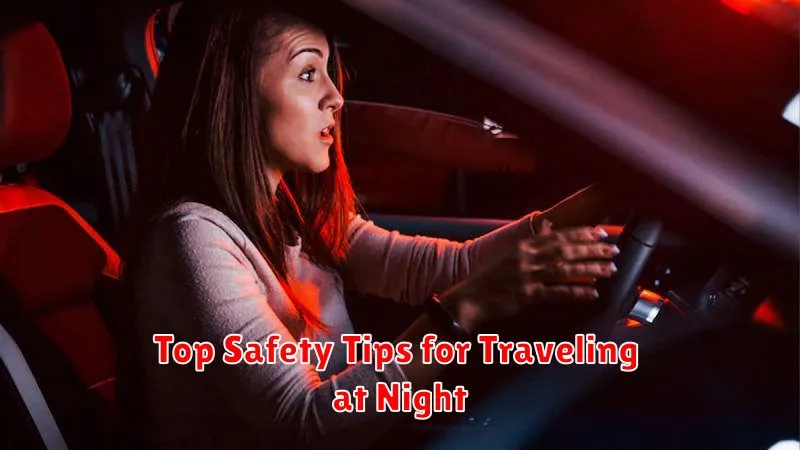
Traveling at night can offer unique advantages, from avoiding rush hour traffic to enjoying cooler temperatures. However, it also presents unique safety concerns that require careful planning and heightened awareness. This article will explore essential safety tips for traveling at night, whether you are driving your own vehicle, using public transportation, or walking. By understanding and implementing these night travel safety tips, you can minimize risks and ensure a smoother, more secure journey.
From pre-trip planning to on-the-road precautions, we’ll cover a range of safety measures to help you navigate the challenges of nighttime travel. We’ll delve into topics such as vehicle maintenance, route selection, staying alert, and what to do in emergency situations. By following these top safety tips, you can confidently embark on your nighttime travels, prioritizing your well-being and peace of mind. Let’s explore how to make your night travel as safe and enjoyable as possible.
Why Night Travel Can Be Risky
Traveling at night, while sometimes unavoidable, presents unique safety challenges. Reduced visibility is a primary concern. Darkness limits your ability to see potential hazards on the road or navigate unfamiliar surroundings.
Driver fatigue is another significant risk. Driving when tired can impair reaction time and decision-making, increasing the likelihood of accidents. Additionally, the presence of wildlife on roads can pose a greater threat at night.
In certain areas, the risk of criminal activity may be higher during nighttime hours. Being aware of these potential dangers and taking precautions can help mitigate the risks associated with night travel.
Choosing Safe Routes and Transport
When traveling at night, route selection is crucial. Opt for well-lit and populated routes, avoiding isolated areas. Familiar routes are preferable, as you’ll be more aware of potential hazards.
Select reliable transportation. If using public transport, research schedules and routes beforehand. Consider ride-sharing services or taxis, prioritizing those with good safety ratings. If driving, ensure your vehicle is in good working order.
Letting Someone Know Your Plans
Before embarking on any nighttime travel, inform a trusted friend, family member, or colleague about your itinerary. This includes your destination, planned route, estimated time of arrival, and contact information of anyone you’ll be meeting. This seemingly simple act is a crucial safety precaution.
Share real-time location updates with your contact person, if possible. Many mobile apps allow for this, providing an added layer of security and allowing them to monitor your progress.
Keeping Emergency Numbers Handy
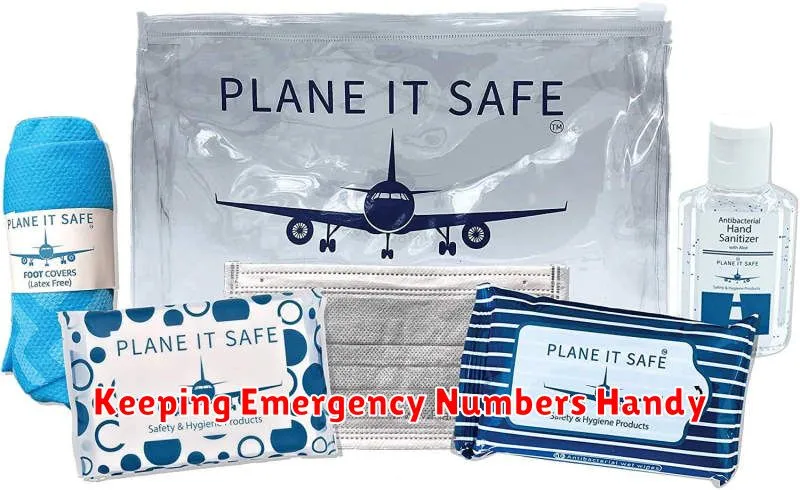
When traveling at night, having quick access to emergency services is crucial. Save local emergency numbers in your phone. This includes police, fire, and medical services.
In addition to local numbers, program your country’s embassy or consulate contact information into your phone. This can be invaluable should you require assistance while abroad.
Ensure your phone is fully charged before departing and consider carrying a portable charger for longer journeys. A readily accessible list of emergency contacts in your wallet or bag is also a wise precaution.
Avoiding Empty Streets and Alleys
When traveling at night, prioritize well-lit and populated areas. Avoid walking down empty streets or alleys, as these locations can increase your vulnerability to potential dangers.
If you must pass through a less populated area, increase your awareness of your surroundings. Walk with confidence and purpose. Consider using a trusted ride-sharing service if you feel uncomfortable.
What to Pack for Visibility and Safety
Enhancing your visibility is crucial for night travel. Pack a reflective vest or clothing with reflective strips. A headlamp or flashlight is essential for navigating dark areas and signaling your presence. Consider carrying a whistle for emergencies.
For personal safety, a personal safety alarm can deter potential threats. Depending on your destination and mode of transportation, other safety items like a first-aid kit and pepper spray (where legal) may be advisable. Remember to check local regulations regarding permissible safety items.
Staying Alert Without Being Anxious
Night travel requires a balance of alertness and calm. Avoid excessive caffeine or sugar which can heighten anxiety. Instead, prioritize rest before your journey. During travel, engage your senses. Pay attention to your surroundings, but avoid fixating on potential threats. If traveling with a companion, engage in conversation to maintain awareness. Regular breaks can also help combat fatigue and improve alertness.
