
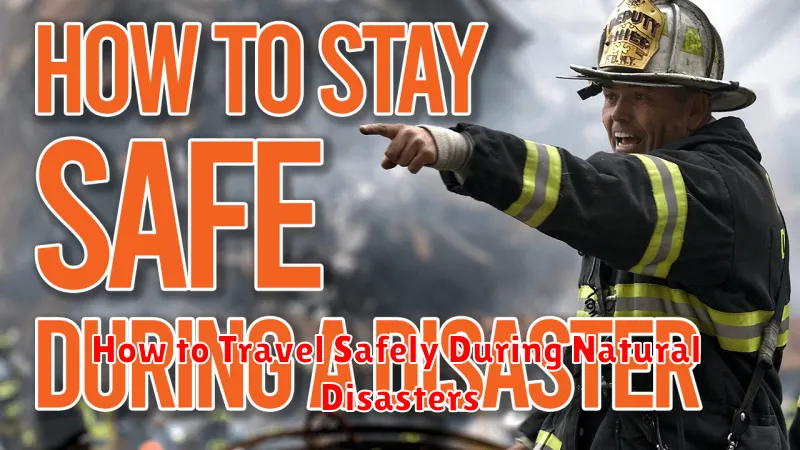
Natural disasters can strike unexpectedly, turning a dream vacation into a nightmare. Knowing how to travel safely during these critical events is paramount to protecting your well-being. This article will provide essential guidance on how to prepare for and navigate natural disasters while traveling, covering everything from pre-trip planning to on-the-ground actions during earthquakes, hurricanes, wildfires, and other emergency situations. Understanding the risks associated with your destination and having a comprehensive safety plan can mean the difference between a safe return and a perilous journey.
Traveling safely during natural disasters requires vigilance, preparation, and a proactive approach. This article will address crucial safety measures, including packing an emergency kit, staying informed about weather alerts and evacuation procedures, and knowing how to communicate effectively during a crisis. We will delve into the specific challenges presented by different types of natural disasters and equip you with the knowledge and resources to make informed decisions, ensuring your travel experience remains as safe as possible, even in the face of unforeseen natural events.
Types of Natural Disasters to Watch For
Being aware of potential natural disasters is crucial for safe travel. Hurricanes and typhoons pose significant threats in coastal regions. Pay attention to hurricane seasons and travel advisories.
Earthquakes can occur unexpectedly in various locations. Understanding earthquake safety procedures is essential. Tsunamis often follow large earthquakes near coastlines. Be aware of evacuation routes.
Wildfires are a growing concern, particularly in dry climates. Monitor fire warnings and avoid affected areas. Volcanic eruptions can disrupt air travel and pose health risks. Stay informed about volcanic activity.
Floods and landslides can be triggered by heavy rainfall. Check weather forecasts and avoid flood-prone areas.
Preparing Before You Travel
Prior to embarking on any trip, especially during periods of heightened risk for natural disasters, thorough preparation is essential. Begin by researching your destination’s current and predicted weather conditions. Be aware of potential hazards like hurricanes, earthquakes, or wildfires.
Pack a well-stocked emergency kit including essentials such as a first-aid kit, flashlight, extra batteries, non-perishable food, and water. Inform someone of your itinerary, including your expected arrival and departure times, and any planned excursions.
Emergency Contacts and Local Alerts
Before traveling, program emergency contacts into your phone. Include local emergency services, your country’s embassy or consulate, and personal emergency contacts.
Familiarize yourself with local alert systems. Many regions utilize text message or mobile app alerts for weather updates and evacuation notices. Download relevant apps and register for services as needed.
Carry a physical list of important numbers in case of power outages or phone malfunction. This provides a backup for contacting help if needed.
Staying in Safe Areas
Prioritize designated safe zones established by local authorities. These areas are chosen for their structural integrity and reduced risk during natural disasters.
If evacuation orders are issued, follow them immediately. Temporary shelters often provide essential resources and a higher level of safety than remaining in a potentially hazardous area.
If sheltering in place, identify the safest location within your building. This might be an interior room, basement, or designated storm shelter, away from windows and exterior walls.
Avoiding Scams During Crisis Events
Unfortunately, crisis events often bring out scammers who prey on vulnerable individuals. Be extra cautious about offers that seem too good to be true. Verify the identity of anyone offering assistance, particularly if they are soliciting donations or personal information. Official aid organizations will have clear identification and will not pressure you for immediate payment.
Beware of unsolicited communications via email, phone, or text message. Do not click on links or open attachments from unknown sources, as these may contain malware. Independently verify any information received through social media before acting upon it.
What to Pack in Your Emergency Kit
A well-stocked emergency kit is essential for safe travel during natural disasters. Pack water (one gallon per person per day), non-perishable food, a first-aid kit, a flashlight, and extra batteries.
Important documents like identification and insurance information should be included. A hand-crank or battery-powered radio, a multi-tool or knife, and a whistle are also recommended. Don’t forget prescription medications and any necessary personal hygiene items.
How Travel Insurance Can Help
When natural disasters disrupt travel plans, travel insurance can be a critical safety net. It can provide financial protection for prepaid, non-refundable trip costs like flights and accommodations if you need to cancel or interrupt your trip due to a covered event.
Some policies also cover emergency medical expenses incurred because of a natural disaster, including evacuation and repatriation. Be sure to carefully review your policy to understand the specific coverage and limitations related to natural disasters.
