
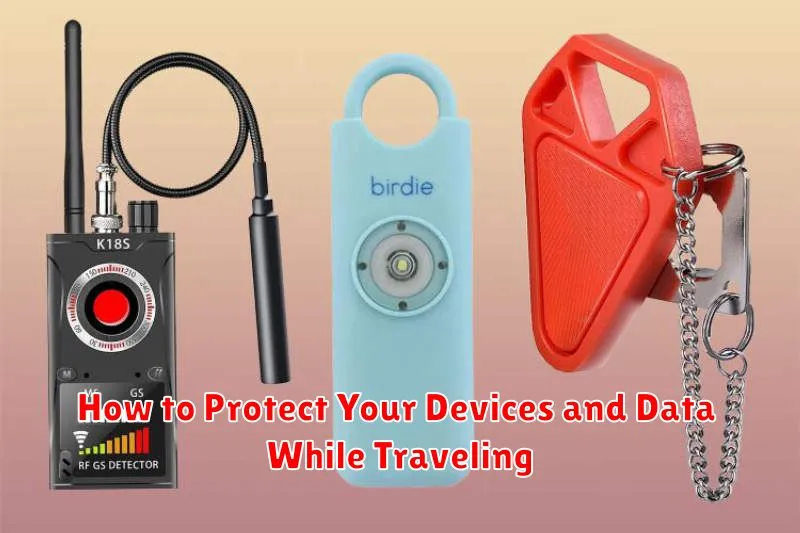
Traveling can be an enriching experience, but it also presents unique security risks to your devices and data. From public Wi-Fi hotspots to data breaches at hotels, your sensitive information can be vulnerable while you’re on the go. This article provides essential guidance on how to protect your devices and data while traveling, ensuring a safe and worry-free trip. Learn how to safeguard your digital security with practical tips and strategies, covering everything from password management to device encryption.
Whether you are a seasoned traveler or planning your first trip, understanding the security threats you might encounter is crucial. This article will equip you with the knowledge and tools you need to proactively protect your devices and data while traveling. Explore essential steps like using VPNs, enabling two-factor authentication, and recognizing phishing scams, ensuring your digital privacy remains intact throughout your journey. By implementing these security measures, you can focus on enjoying your travels without compromising your valuable information.
Common Tech Risks While Abroad
Traveling internationally presents unique challenges to protecting your devices and data. Theft is a major concern, especially in crowded areas. Be mindful of your surroundings and keep your devices close.
Public Wi-Fi poses a significant security risk. Avoid accessing sensitive information, like banking details, on unsecured networks. Consider using a VPN for added protection.
Malicious charging stations can be used to steal data. Opt for charging your devices directly from a wall outlet whenever possible.
Using VPNs and Encrypted Connections
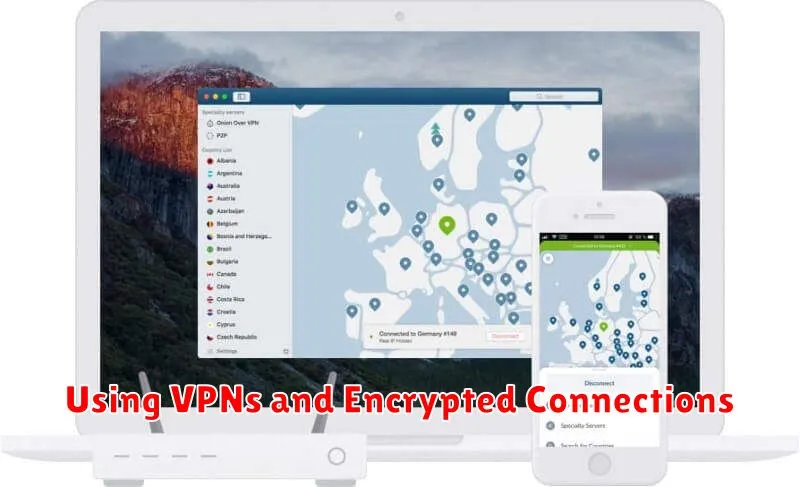
Virtual Private Networks (VPNs) are crucial for securing your data on public Wi-Fi. A VPN encrypts your internet traffic, shielding it from potential eavesdroppers. This prevents hackers from intercepting sensitive information like passwords and credit card details.
Ensure your connections use HTTPS. Look for the padlock icon in your browser’s address bar. This signifies an encrypted connection between your browser and the website, adding another layer of security.
Avoiding Public Wi-Fi Without Protection
Public Wi-Fi hotspots are convenient, but often lack robust security. Connecting to these networks without protection puts your devices and data at significant risk.
Cybercriminals can intercept your online activity on unsecured networks, potentially gaining access to sensitive information like passwords, financial details, and personal data. Avoid using public Wi-Fi for activities involving such sensitive data.
If you must use public Wi-Fi, consider a Virtual Private Network (VPN). A VPN encrypts your internet traffic, shielding it from prying eyes and adding a layer of security.
Carrying Backup Batteries and Power Banks
Power outages and limited access to charging points can be common during travel. Carrying backup batteries and power banks is a practical solution to ensure your devices remain functional.
Prioritize portable chargers with sufficient capacity to recharge your essential devices multiple times. Consider the size and weight of the power bank, balancing portability with charging power. Always fully charge your power bank before embarking on your trip.
Familiarize yourself with the specific regulations for carrying power banks, particularly during air travel, as some restrictions may apply.
Locking Devices with Strong Passwords
Protecting your devices begins with a strong password. A strong password is one that is difficult to guess and usually includes a combination of uppercase and lowercase letters, numbers, and symbols. Avoid easily guessed passwords like “123456” or “password”.
Enable automatic locking on all your devices. This ensures your data is protected even if you briefly step away. Set a short timeout for the auto-lock to activate. Utilize the strongest form of device locking available, such as biometric authentication where possible.
What to Do If a Device Is Stolen
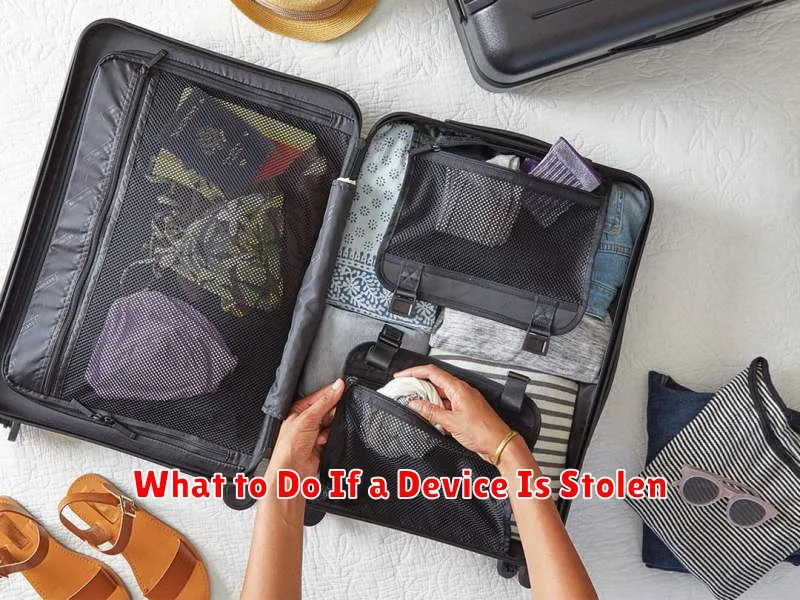
If a device is stolen, swift action is crucial. First, report the theft to local authorities. Provide them with any identifying information about the device, such as the serial number or IMEI.
Next, remotely lock or wipe your device if you have enabled such features. This helps protect your data from unauthorized access. Change your passwords for all important accounts, including email, banking, and social media.
Contact your mobile carrier or insurance provider to report the loss and inquire about replacement or compensation options.
Syncing and Backing Up Data Daily
Syncing your data regularly across your devices ensures that you have access to the most up-to-date information regardless of the device you’re using. Cloud-based services make this process seamless. Choose a reputable service and configure it to automatically synchronize important files.
Backing up your data is your ultimate safety net against data loss. Portable hard drives offer a physical backup solution, while cloud services provide offsite storage. Perform backups daily to minimize potential data loss from theft, damage, or device malfunction.
