
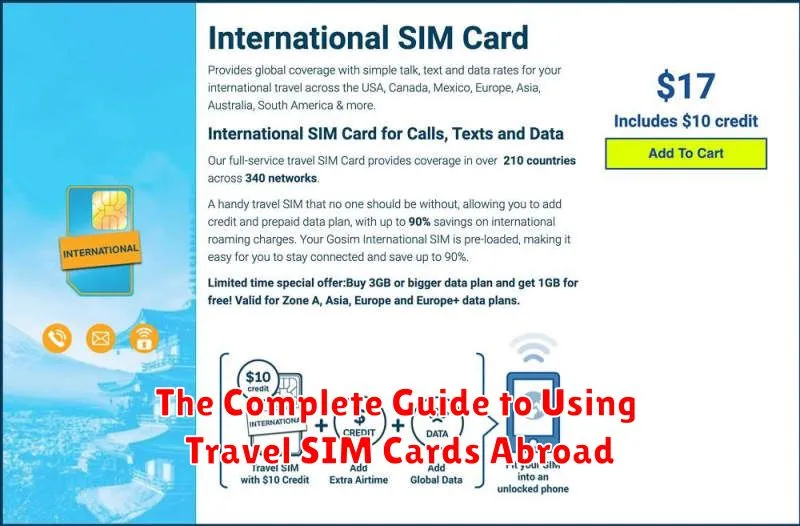
Traveling internationally can be an exciting experience, but staying connected can often be a challenge. High roaming charges can quickly derail your budget, leaving you scrambling for Wi-Fi hotspots. This comprehensive guide explores the world of travel SIM cards, offering a cost-effective and convenient solution to stay connected while abroad. Learn how travel SIM cards can provide you with data, call, and text capabilities, eliminating the worry of exorbitant roaming fees. Whether you’re a seasoned globetrotter or embarking on your first international adventure, understanding the nuances of travel SIM cards is crucial for a seamless travel experience.
From choosing the right travel SIM card for your destination to understanding activation and usage, this guide covers everything you need to know. Discover the benefits of using a travel SIM card, including cost savings, reliable connectivity, and ease of use. We’ll delve into the different types of travel SIM cards available, compare prepaid and postpaid options, and provide practical tips for managing your data usage while traveling. Prepare to embark on your journey connected and informed with the power of travel SIM cards.
Why Use a Travel SIM Card?
Staying connected while traveling abroad is no longer a luxury, but a necessity. Using a travel SIM card offers a cost-effective and convenient way to manage your communication needs. It eliminates the exorbitant roaming charges imposed by your domestic carrier, allowing you to save money on calls, texts, and especially data.
Travel SIM cards provide seamless connectivity upon arrival, eliminating the hassle of searching for Wi-Fi hotspots. This is particularly important for tasks like navigating unfamiliar cities, accessing important travel documents, and staying in touch with family and friends.
Types of SIM Cards for Travelers
Travelers have a few SIM card options depending on their needs. Local SIM cards are purchased in your destination country and offer the best rates, but require an unlocked phone.
International SIM cards work in multiple countries and are convenient for multi-destination trips. However, they might be slightly more expensive than local SIMs.
Data-only SIM cards are ideal if you primarily need internet access and don’t plan to make many calls. Consider this option if you rely on messaging apps for communication.
Where to Buy Travel SIMs
Acquiring a travel SIM card is easier than ever, with numerous purchase options available depending on your preference and travel style. You can purchase before your trip, offering ample time for research and setup.
Online retailers and mobile network operators’ websites are convenient platforms for pre-trip purchases. Alternatively, purchase upon arrival at your destination. Options include airport kiosks, local mobile operator stores, and even convenience stores in some countries. This option provides flexibility but might require more time upon arrival.
Installing and Activating SIM Cards
Installing a travel SIM card is usually straightforward. Most phones use a standard SIM card slot, often located on the side or top of the device. Power off your phone before inserting the new SIM. Refer to your phone’s manual if you are unsure of its location.
Activating your SIM card varies by provider. Some activate automatically upon insertion and connection to a local network. Others require you to follow specific steps such as visiting a website or sending a text message. Carefully read the instructions that came with your travel SIM card for the activation process.
Managing Data Usage Effectively
Monitoring your data usage is crucial to avoid unexpected overage charges. Most providers offer apps or website portals to track consumption. Regularly check your usage, especially if you’re streaming media or using navigation apps.
Consider enabling data saving features on your phone. This limits background data usage for apps. You can also restrict data usage for specific apps or disable automatic updates. Connecting to Wi-Fi networks whenever available is another effective strategy for conserving mobile data.
Switching Back to Your Regular SIM
Once you return home, switching back to your regular SIM card is a straightforward process. Power off your device. Remove the travel SIM and reinsert your regular SIM card. Power on your device.
Your device should automatically reconnect to your home network. You may need to manually re-enable data roaming in your device’s settings if you disabled it before your trip. Check that you have service and can make calls and send texts.
Alternatives: eSIM and Pocket Wi-Fi
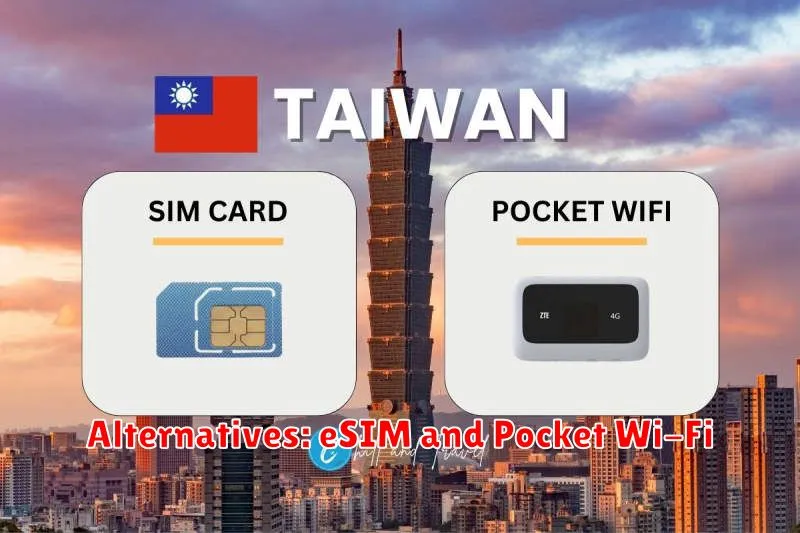
While travel SIM cards offer a convenient solution for staying connected abroad, exploring alternatives like eSIMs and Pocket Wi-Fi can be beneficial depending on your needs.
eSIMs offer a digital SIM profile, eliminating the need for a physical card. This allows for quick activation and switching between providers. Compatibility is crucial, so check your device’s specifications.
Pocket Wi-Fi devices create a portable hotspot, enabling multiple devices to connect simultaneously. This is advantageous for group travel or if you have multiple devices requiring internet access. Consider battery life and data limits when choosing a Pocket Wi-Fi device.
