
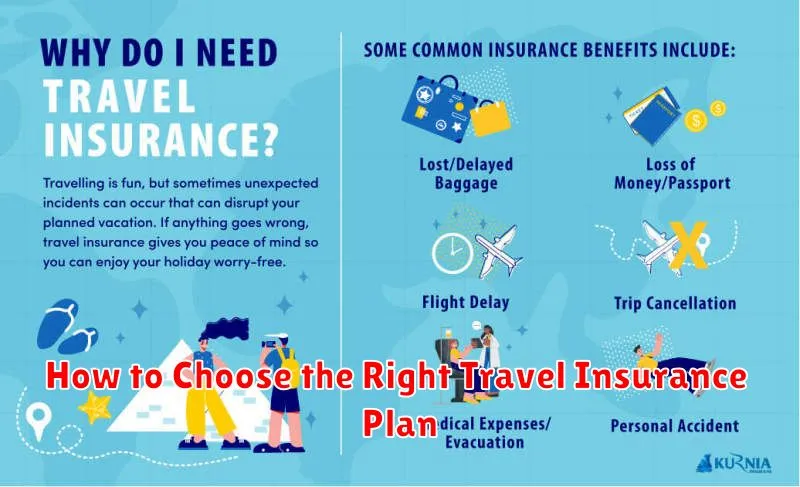
Planning a trip? Don’t overlook the importance of securing the right travel insurance plan. Choosing the appropriate coverage can protect you from a range of unexpected events, from medical emergencies and lost luggage to trip cancellations and interruptions. With so many travel insurance options available, navigating the choices can feel overwhelming. This article will provide a comprehensive guide on how to choose the right travel insurance plan for your specific needs, ensuring a worry-free and enjoyable travel experience. We’ll cover key factors to consider, such as your destination, trip activities, pre-existing medical conditions, and budget, empowering you to make an informed decision and select the best travel insurance policy.
Finding the perfect travel insurance can be a daunting task. Understanding the nuances of different travel insurance plans is crucial for obtaining adequate coverage. This article will break down the complexities of travel insurance, explaining the different types of coverage available, including trip cancellation insurance, medical insurance, baggage insurance, and emergency evacuation insurance. By carefully considering your individual circumstances and the potential risks associated with your trip, you can select a travel insurance plan that provides the right level of protection and peace of mind.
Why You Need Travel Insurance
Travel insurance offers vital financial protection and peace of mind for unexpected events that can disrupt your trips. Think of it as a safety net for your travel investment.
From medical emergencies abroad requiring expensive treatments and evacuations, to lost or stolen luggage and trip cancellations due to unforeseen circumstances, travel insurance can help mitigate the financial burden.
Protecting your investment and ensuring you can access necessary assistance during unexpected events is why travel insurance is a crucial component of responsible trip planning.
Types of Coverage Available
Understanding the different types of coverage is crucial for selecting the right travel insurance plan. Trip Cancellation/Interruption coverage reimburses prepaid, non-refundable trip costs if you must cancel or interrupt your trip due to covered reasons. Medical Coverage protects you from unexpected medical expenses incurred while traveling, including hospital stays and emergency medical transportation.
Baggage Coverage protects against lost, stolen, or damaged luggage. Consider Travel Delay coverage for reimbursement of expenses due to covered delays. Finally, Emergency Medical Evacuation coverage ensures transportation to the nearest adequate medical facility in case of serious illness or injury.
Single Trip vs Annual Policies
When selecting travel insurance, a key decision is choosing between a single trip or an annual policy. Single trip plans cover one specific trip, defined by its start and end dates. These are ideal for infrequent travelers.
Annual policies, conversely, cover all trips taken within a year. This option is generally more cost-effective for individuals who travel multiple times a year.
Evaluating Medical Coverage Limits
A crucial aspect of travel insurance is adequate medical coverage. Medical expenses abroad can be exorbitant, so carefully assess your needs. Consider potential emergencies like hospital stays, evacuations, and repatriation.
Policies offer varying coverage limits, typically ranging from $10,000 to $100,000 or more. Higher limits provide greater financial protection, especially for trips to destinations with high healthcare costs or for adventurous activities with higher risk.
Trip Cancellation and Interruption Protection
Trip cancellation coverage reimburses pre-paid, non-refundable trip expenses if you must cancel for a covered reason. These reasons typically include illness, injury, or death of you, a family member, or a traveling companion. Certain unforeseen events like severe weather or mandatory evacuations can also be covered reasons.
Trip interruption coverage reimburses you for the unused portion of your trip if it’s interrupted for a covered reason. This can include additional transportation costs to return home early or rejoin your trip.
Understanding Policy Exclusions
Policy exclusions are crucial aspects of any travel insurance plan. These are specific situations or events that your insurance will not cover. Carefully reviewing these exclusions is essential to avoid unexpected expenses during your trip.
Common exclusions include pre-existing medical conditions, engaging in extreme sports, travel to countries under government travel advisories, and losses due to negligence. Be sure to check your policy wording for a complete list of exclusions. Understanding these will help you determine whether the plan aligns with your travel needs and risk tolerance.
How to Compare Providers and Read the Fine Print
Comparing travel insurance providers requires careful evaluation of several key factors. Coverage limits are crucial. How much will the plan reimburse for medical expenses, lost luggage, or trip cancellations? Policy exclusions define situations where coverage doesn’t apply, so understanding these is vital. Consider the premium cost relative to the coverage offered. A cheaper plan might not provide adequate protection.
Reading the fine print is non-negotiable. Pay close attention to definitions of covered reasons for trip cancellations or interruptions. Understand the claims process, including required documentation and timelines. Look for information on pre-existing condition waivers if applicable. Don’t hesitate to contact the provider directly to clarify any uncertainties.
