
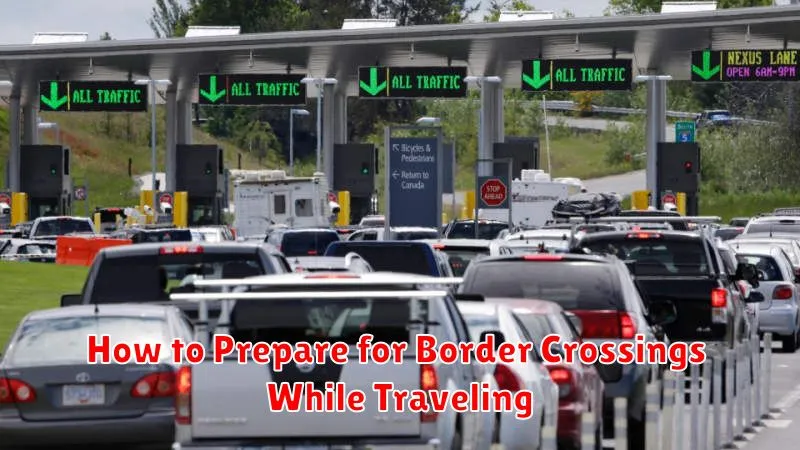
Border crossings can be a daunting aspect of international travel, but with adequate preparation, they can be a smooth and efficient process. This guide provides essential information on how to prepare for border crossings, covering everything from required travel documents and visa regulations to understanding customs procedures and security checks. Whether you’re a seasoned globetrotter or embarking on your first international adventure, understanding the nuances of border control is crucial for a hassle-free journey. Preparing for border crossings effectively minimizes potential delays and ensures a positive start to your travels.
Navigating the complexities of international border crossings requires careful planning and attention to detail. This article will equip you with the knowledge necessary to confidently approach border control, outlining key steps to take before you depart, essential documents to have at the ready, and what to expect during the border crossing process itself. From understanding visa requirements and customs regulations to packing strategically and managing your expectations, this comprehensive guide aims to streamline your border crossing experience, allowing you to focus on enjoying your trip.
Documents You Need in Advance
Prior to any international travel, ensure you have the necessary documentation. This primarily includes a valid passport with sufficient remaining validity. Many countries require at least six months validity beyond your intended stay.
In addition to your passport, you may need a visa depending on your nationality and destination. Research visa requirements well in advance and apply early, as processing times can vary. Finally, ensure you have copies of all important documents, both physical and digital, stored separately from the originals.
Understanding Local Border Policies
Before traveling internationally, it’s crucial to understand the specific border policies of your destination country. These policies dictate what you can and cannot bring across the border, as well as the required documentation.
Key aspects of these policies often include visa requirements, customs duties, restrictions on agricultural products, and limits on currency importation. Ignoring these regulations can lead to significant delays, penalties, or even denial of entry.
Researching these policies beforehand will ensure a smoother border crossing experience.
Packing Smart for Quick Inspection

Organized luggage facilitates a smoother inspection process. Pack your documents in an easily accessible location, such as a dedicated travel wallet or the top compartment of your carry-on. This includes your passport, visa (if required), and any other necessary identification or travel documentation.
Pack electronics separately to expedite screening. Place laptops, tablets, and other electronic devices in an easily accessible compartment for swift removal. Consider using clear packing cubes for smaller electronics like chargers and cables to maintain organization.
Be mindful of restricted items. Familiarize yourself with the specific regulations of your destination country regarding prohibited items. Packing accordingly will prevent delays and potential confiscation of belongings. Ensure liquids comply with carry-on restrictions.
Dealing with Customs Officers Professionally
Interacting with customs officers requires a respectful and cooperative demeanor. Answer their questions truthfully and concisely. Have your travel documents readily available and organized. Avoid jokes or sarcasm. Maintain eye contact and a calm composure, even if you experience delays or additional questioning.
Do not argue with officers. If you disagree with a decision, politely ask to speak to a supervisor. Be aware that customs officers have the authority to search your belongings. Cooperating with their requests will expedite the process.
Handling Language Barriers
Crossing borders often means encountering different languages. Pre-trip preparation is key. Learning basic phrases like “hello,” “thank you,” and “excuse me” can significantly enhance your interactions. Consider using a translation app on your smartphone. These apps can translate text, speech, and even images, helping you navigate unfamiliar situations.
Download offline language packs before your trip to ensure functionality even without internet access. Carry a pocket dictionary as a backup. While speaking slowly and clearly can help, be mindful of nonverbal communication, as gestures can have different meanings across cultures.
Knowing Your Rights and Obligations
Understanding your rights and obligations as a traveler is crucial for a smooth border crossing experience. You have the right to be treated with respect by border officials. Conversely, you are obligated to provide accurate and truthful information when questioned.
Cooperation with officials is essential. Familiarize yourself with the specific entry and exit requirements of your destination and any transit countries. This includes visa regulations, customs duties, and prohibited items.
Failure to comply with regulations can result in denied entry, fines, or other penalties. Being prepared and knowledgeable about your rights and responsibilities will facilitate a more efficient and less stressful border crossing.
What to Avoid Declaring
When crossing international borders, certain items should be avoided on your customs declaration. These typically include prohibited or restricted goods which may vary by country. Common examples include illegal drugs, firearms, certain types of food, and protected animal products. Declaring these can lead to confiscation, fines, or even legal consequences.
Additionally, be mindful of currency restrictions. While you may be required to declare large sums of cash, exceeding allowed limits without proper documentation can be problematic.
