
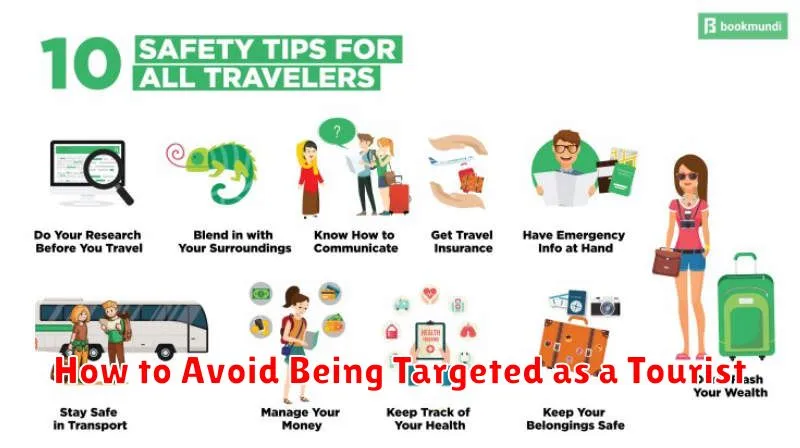
Traveling to new and exciting destinations is a thrilling experience. However, it’s crucial to be aware of the potential risks, especially being targeted as a tourist. Tourists, often unfamiliar with their surroundings, can become easy targets for scams, theft, or other unwanted attention. This article provides practical tips and strategies on how to avoid being targeted as a tourist, enabling you to enjoy your travels safely and with peace of mind. Learning how to blend in, protect your belongings, and navigate unfamiliar territories can significantly reduce your risk and enhance your overall travel experience.
From understanding common tourist traps to adopting subtle behaviors that help you appear less conspicuous, this guide will equip you with the knowledge you need to avoid being targeted. We will explore practical steps such as researching your destination in advance, securing your valuables effectively, and being mindful of your surroundings. By implementing these strategies, you can confidently explore the world, minimizing your vulnerability and maximizing your enjoyment as a savvy and safe tourist.
Why Tourists Are Often Targets
Tourists are unfortunately prime targets for criminals due to several factors. They often display signs of wealth, such as expensive cameras and unfamiliar currency. Lack of awareness about local customs and laws can also make them vulnerable. Additionally, tourists may be distracted by their surroundings, making them less attentive to their belongings and potential dangers.
Their unfamiliarity with the area makes them easy to disorient and more reliant on others for directions, creating opportunities for scams. Language barriers can further complicate matters, hindering their ability to communicate effectively with local authorities or seek help in emergencies.
Dressing and Acting Like a Local
Blending in with the local populace can significantly reduce your chances of being targeted. Observe the common attire of the people around you and try to emulate it within reason. This doesn’t mean you need a complete wardrobe overhaul, but avoiding overtly touristy clothing like Hawaiian shirts or cargo shorts in a metropolitan area can be helpful.
Act with confidence and purpose, even if you’re unsure of where you’re going. Consult a map discreetly or step into a shop to ask for directions rather than standing on a street corner looking lost. Avoid loud conversations and boisterous behavior that might draw unwanted attention.
Avoiding Flashy Gadgets and Jewelry
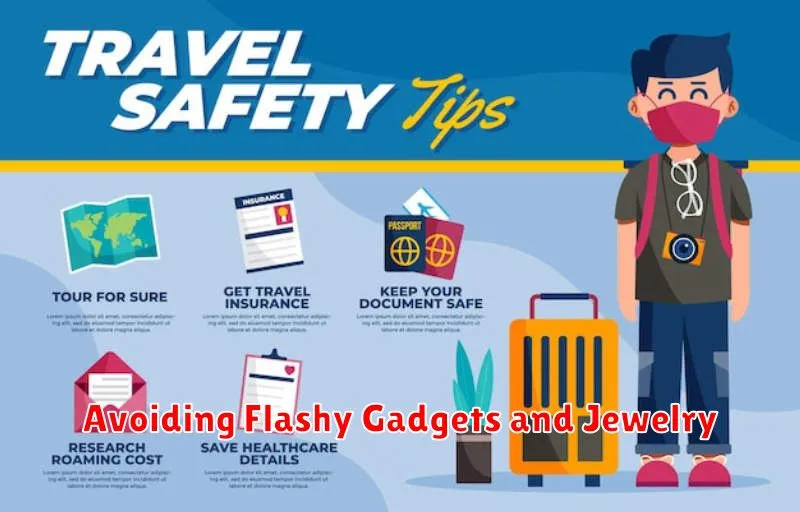
One of the easiest ways to mark yourself as a tourist is by displaying expensive gadgets and jewelry. Minimize the use of high-end electronics in public. If you must carry them, keep them discreetly stored and avoid using them in crowded areas.
Refrain from wearing expensive jewelry while sightseeing. Leave valuable items, such as watches and necklaces, secured in your hotel safe. Opt for modest accessories if you wish to wear something. This reduces your risk of attracting unwanted attention and becoming a target for theft.
Knowing Local Customs and Laws
Researching local customs and laws before your trip is crucial for a safe and respectful experience. Understanding appropriate attire, social etiquette, and basic legal regulations can significantly reduce your chances of standing out as a tourist and becoming a potential target. For instance, some cultures have specific dress codes for religious sites or public areas. Ignoring these customs might attract unwanted attention. Similarly, being aware of laws regarding alcohol consumption, photography, or public displays of affection is essential.
Familiarizing yourself with local sensitivities demonstrates respect and helps you blend in more effectively.
Walking with Confidence and Purpose
Projecting an air of confidence can deter potential pickpockets or scammers. Walk with a purposeful stride, even if you’re unsure of your direction. Avoid constantly checking maps or looking lost. Keep your head up and make brief eye contact with those around you. This shows you’re aware of your surroundings.
Avoid shuffling or walking hesitantly, as this can signal vulnerability. If you need to consult a map or your phone for directions, step aside into a shop or less crowded area.
Recognizing Common Tourist Scams
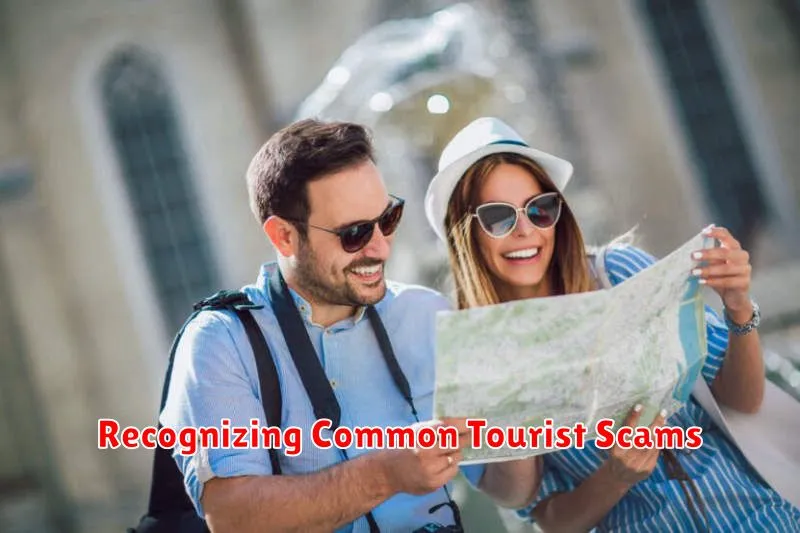
Being aware of common scams is the first step in avoiding them. Overcharging is a frequent issue, especially with taxis and street vendors. Always confirm the price beforehand. Distraction scams often involve one person creating a diversion while another picks your pocket. Be extra vigilant in crowded areas.
Fake petitions or “helpful” locals may approach you. These are often ruses to steal your belongings or money. Damaged goods scams involve someone “accidentally” damaging something you’re carrying and then demanding payment. Finally, be wary of overly friendly individuals who quickly offer to be your guide. They may lead you to expensive shops or other tourist traps.
When to Ask for Help — and When Not To
Knowing when to seek assistance is crucial for a safe and smooth trip. Ask for help from official sources like uniformed police officers, tourism information booths, or hotel staff.
Avoid soliciting help from random strangers on the street, especially regarding directions or recommendations. Decline unsolicited offers of assistance. If you feel lost or unsure, duck into a reputable establishment like a shop or restaurant to regroup and discreetly ask for directions.
