
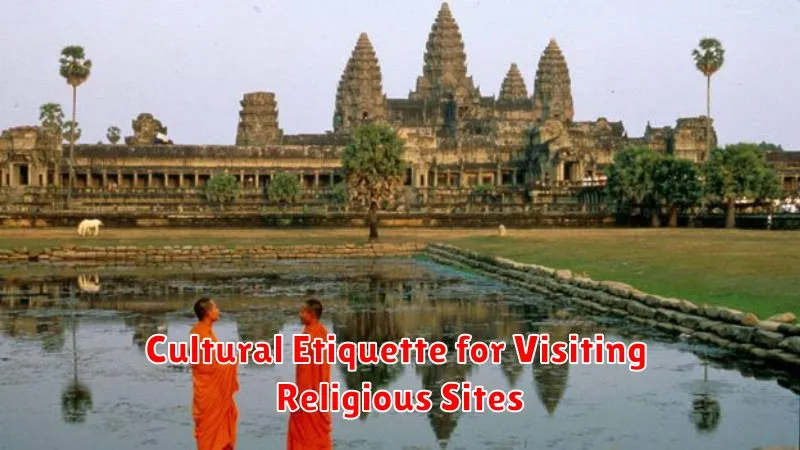
Visiting religious sites offers a unique opportunity to connect with history, spirituality, and diverse cultures. Whether you’re exploring ancient temples, grand cathedrals, serene mosques, or sacred indigenous grounds, understanding the local cultural etiquette is crucial. Demonstrating respect for the traditions and beliefs associated with these sites not only enhances your personal experience but also fosters positive interactions with the local community. This guide offers valuable insights into cultural etiquette for visiting religious sites around the world, covering topics such as appropriate dress, photography guidelines, and respectful behavior within sacred spaces. By familiarizing yourself with these customs, you can ensure a meaningful and respectful visit while embracing the rich cultural heritage of these destinations.
Navigating the nuances of cultural etiquette in religious sites can be challenging. Different faiths and even individual locations within the same faith may have unique protocols. This introduction aims to equip you with the foundational knowledge needed to approach any religious site with respect and sensitivity. From dress codes and permissible behaviors to understanding religious customs and rituals, this guide will provide practical advice for travelers seeking to engage thoughtfully with diverse religious sites. Learning the cultural etiquette associated with these sacred locations ensures a rewarding experience for yourself and demonstrates reverence for the people and traditions that hold these places dear.
Why Respect Matters at Sacred Places
Respect is essential when visiting sacred places. These locations hold deep spiritual and cultural significance for many people. Demonstrating respect acknowledges the sanctity of these spaces and the beliefs of those who hold them dear.
Disrespectful behavior can be deeply offensive and disruptive. It detracts from the peaceful atmosphere and can cause distress to worshippers and other visitors. Showing consideration for the customs and traditions of a sacred site demonstrates cultural sensitivity and promotes harmonious interactions.
Researching Local Religious Customs
Prior to visiting any religious site, thorough research is crucial. Understanding local customs demonstrates respect and helps avoid unintentional offense.
Key areas to research include appropriate attire, photography restrictions, permissible behavior inside sacred spaces, and any specific rituals or customs observed by worshippers. Consulting guidebooks, online resources, or even contacting the site directly can provide valuable insights.
Dress Code Guidelines by Region
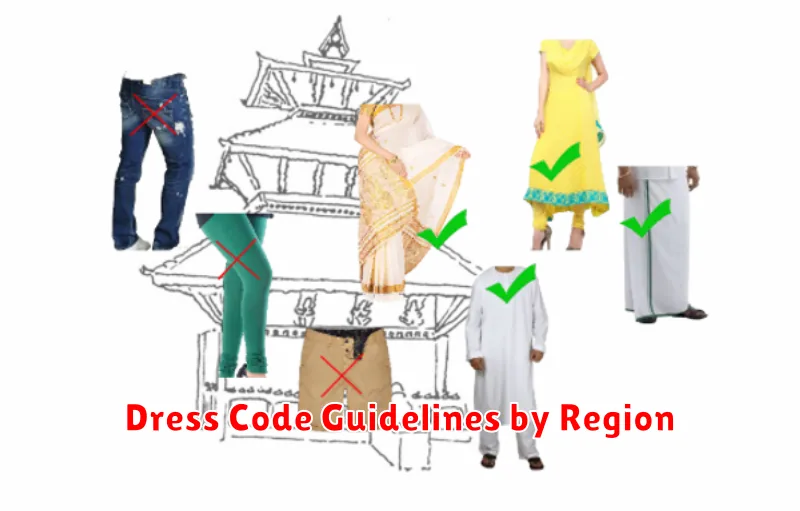
Europe: Generally, shoulders and knees should be covered. Women may be asked to cover their hair in certain churches. Avoid excessively casual attire.
Asia: Dress modestly, covering shoulders, legs, and sometimes hair. Removing shoes is common practice in many temples and shrines.
Middle East: Modesty is paramount. Women should cover their hair and dress in loose-fitting clothing that covers their arms and legs. Men should avoid shorts.
Africa: Dress respectfully. Research specific customs for the region you are visiting. Head coverings may be expected in some religious sites.
Americas: While guidelines can vary, it’s advisable to dress respectfully in religious sites by covering shoulders and knees.
Rules for Behavior and Photography
When visiting religious sites, it’s essential to demonstrate respect through appropriate behavior. This often includes dressing modestly, covering shoulders and knees, and sometimes removing hats. Silence is often expected, or at least speaking in hushed tones.
Photography guidelines vary greatly. Some sites prohibit photography altogether. Others may allow photography, but flash photography can be disruptive or damage delicate artwork and should be avoided unless explicitly permitted. It’s crucial to check for signage or inquire with staff regarding photography policies before taking pictures.
What to Do If You Make a Mistake
Visiting religious sites requires respect and understanding of different customs. If you unintentionally commit a cultural faux pas, don’t panic. The most important thing is to react respectfully.
If you realize you’ve made a mistake, quietly and discreetly try to correct it. For example, if you’ve entered a restricted area, calmly withdraw. If appropriate, a brief apology to someone in authority may be suitable, but avoid drawing unnecessary attention to yourself. Sincerity is key.
Above all, maintain a respectful demeanor. Learning from mistakes is part of cultural exchange.
Gifts, Offerings, and Donations
Gifts and offerings are common practices in many religious traditions. Understand the specific customs of the site you are visiting. Some locations may encourage specific items, while others discourage them altogether. Check beforehand to avoid unintentional disrespect.
Donations are often welcome but should never be assumed to be required. If donating is customary, consider it a gesture of support for the maintenance and upkeep of the site. Be discreet and respectful when making a donation, avoiding ostentatious displays.
Respectful Departure and Goodbyes
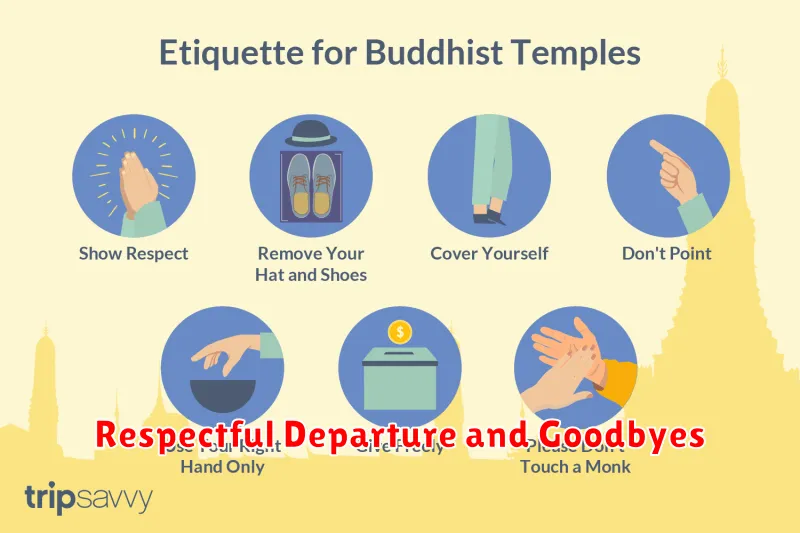
Just as you entered respectfully, maintain that reverence as you leave. Avoid loud conversations or boisterous behavior.
If you interacted with any staff or clergy, a simple “thank you” or respectful nod of acknowledgement is appropriate. Do not disrupt any ongoing services or prayers as you depart.
Quietly gather your belongings and exit in an orderly fashion, allowing others to pass as needed. Remember the sanctity of the space even as you depart.
