
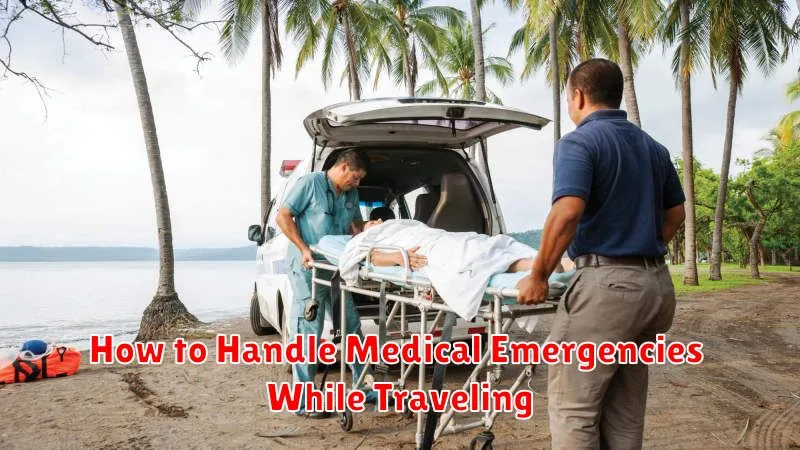
Traveling can be an enriching experience, but it’s crucial to be prepared for unexpected events, especially medical emergencies. A sudden illness or injury far from home can be incredibly stressful and even dangerous if you don’t know how to handle it. This article provides essential guidance on how to manage medical emergencies while traveling, offering practical advice and actionable steps to ensure your safety and well-being abroad. Learn how to prepare for medical emergencies before your trip, how to respond effectively when they occur, and how to navigate the complexities of international healthcare systems. Understanding these key aspects of travel safety will empower you to handle unexpected health crises with confidence.
From minor ailments to serious medical emergencies, being prepared is paramount when traveling. This guide addresses common travel medical emergencies such as dealing with sudden illnesses, managing injuries, finding appropriate medical care in a foreign country, understanding travel insurance, and handling prescription medications. By familiarizing yourself with these crucial aspects of travel health, you can mitigate risks and ensure a safer and more enjoyable travel experience. Whether you’re planning a weekend getaway or a long-term expedition, this information is essential for any traveler concerned about medical emergencies while traveling.
Preparing for Health Issues Abroad
Prior to your departure, take proactive steps to mitigate potential health risks. Consult your physician or a travel clinic for recommended vaccinations and preventative medications for your destination.
Ensure you have comprehensive travel insurance that covers medical emergencies, including evacuation if necessary. Carry a copy of your insurance policy and emergency contact information with you at all times. Pack a basic first-aid kit containing essential supplies like pain relievers, antidiarrheal medication, antiseptic wipes, and bandages.
Familiarize yourself with the local healthcare system at your destination. Research nearby hospitals and clinics and understand how to access medical care in case of an emergency. Learn basic phrases in the local language related to health and medical needs.
Carrying Important Medical Documents
When traveling, especially internationally, carrying essential medical documentation is crucial for a smooth and safe trip. This includes a copy of your passport, insurance card, and a detailed list of any pre-existing medical conditions.
Compile a concise medical history, listing allergies, medications (including dosages), emergency contact information, and your physician’s details. Consider carrying a small card with blood type and any medical implants.
Finding Local Hospitals and Clinics
When a medical emergency arises during travel, locating nearby medical facilities becomes crucial. Pre-trip planning can alleviate stress in these situations. Research hospitals and clinics at your destination before you leave.
If you haven’t planned ahead, utilize your hotel resources. Hotel staff can often direct you to the nearest appropriate facility. Alternatively, use your smartphone or other device to search online for “hospitals near me” or “clinics near me”.
In some areas, contacting local emergency services might be the quickest way to get help and information about nearby hospitals. Being aware of these resources before an emergency occurs can be invaluable.
Using Travel Insurance for Medical Coverage
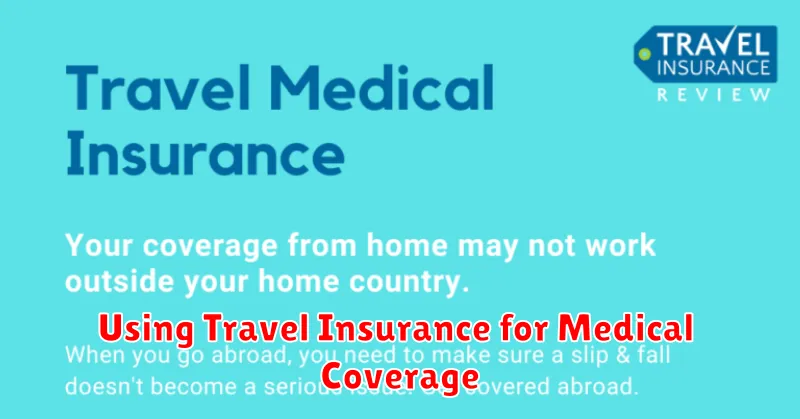
Travel insurance can be a critical safety net during medical emergencies abroad. It can cover expenses like hospital stays, doctor visits, and even medical evacuation. Before your trip, carefully review your policy to understand the coverage limits, exclusions, and claim procedures.
Ensure your policy adequately covers potential medical needs specific to your destination and activities. Some policies may offer higher coverage for adventure sports or pre-existing conditions for an additional premium. Keep your insurance information readily accessible during your travels.
Communicating with Medical Staff
Clearly conveying your medical information is crucial in an emergency. Prepare a concise medical history listing pre-existing conditions, allergies, medications, and emergency contacts. If possible, translate this information into the local language.
Even with language barriers, point to the affected area and describe your symptoms using simple terms. Nonverbal communication, such as facial expressions, can also be helpful. Consider learning basic medical phrases in the local language.
If available, utilize translation apps or seek assistance from a bilingual individual. Ensure the medical staff understands the severity of your condition.
Getting Prescriptions Refilled Overseas
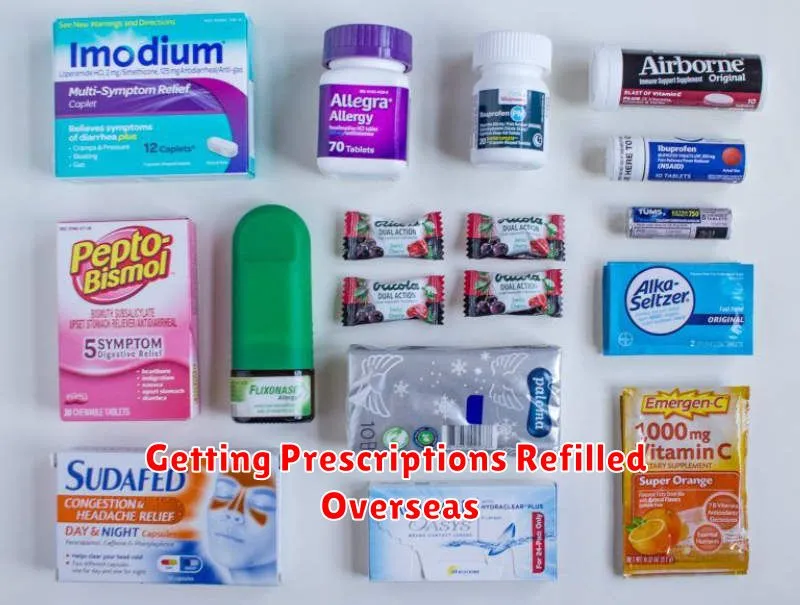
Refilling prescriptions abroad can be challenging. Carry a copy of your prescription, including the generic name of the medication. Contact your doctor before your trip to discuss potential refills while overseas. Some countries require prescriptions from a local physician.
If you lose your medication, contact your doctor and travel insurance provider immediately. Your embassy or consulate may also be able to provide assistance in finding a local physician or pharmacy.
Be aware of local regulations regarding medication. Some medications readily available in your home country may be restricted or illegal in others. Carrying a small amount of medication in its original packaging is usually permissible, but check specific country regulations beforehand.
Emergency Evacuation and Repatriation Options
In the unfortunate event of a severe medical emergency abroad, medical evacuation or repatriation may be necessary. Medical evacuation involves transporting you to the nearest adequate medical facility. Repatriation, on the other hand, brings you back to your home country for treatment.
Several options exist to facilitate these processes, including utilizing services provided by your travel insurance, contacting your embassy or consulate, or, if applicable, coordinating with your employer’s assistance program. Choosing the right option depends on the severity of the situation and available resources.
