
Traveling can be an enriching experience, but unfortunately, it can also make you vulnerable to scams and theft. Falling victim to such crimes can disrupt your trip and cause significant financial loss and emotional distress. Knowing how to effectively report these incidents is crucial for protecting yourself and assisting authorities in apprehending the perpetrators. This guide will provide you with comprehensive information on how to report a scam or theft while traveling, both domestically and internationally, covering everything from identifying the appropriate authorities to gathering necessary documentation.
Whether you experience petty theft, a sophisticated online scam, or a more serious crime like robbery while traveling abroad or within your own country, understanding the reporting procedures can make a substantial difference in the outcome. This article will equip you with the knowledge and resources to navigate the often-complex process of reporting these incidents. We will discuss reporting scams and theft to local police, embassy or consulate officials, your credit card company, and other relevant organizations, enabling you to take the necessary steps to mitigate the damage and seek assistance.
Recognizing When You’ve Been Scammed
Recognizing that you’ve been scammed can sometimes be difficult. Scammers are often skilled manipulators. Look for red flags like unusually high pressure sales tactics, requests for upfront payment via untraceable methods, or promises that seem too good to be true.
Other signs may be more subtle. Did you receive less than what you paid for? Were you pressured into making a quick decision without time to consider? Did the vendor refuse a receipt or provide false contact information? These could all be indicators of a scam.
If something feels off or doesn’t seem right, trust your instincts. It’s better to be cautious and avoid a potential scam than to become a victim.
Collecting Evidence and Details
Gathering evidence after a scam or theft is crucial for reporting and potentially recovering losses. Document everything thoroughly.
Record details of the incident immediately. Note the date, time, location, and a description of what happened. Include descriptions of any individuals involved.
Retain any physical evidence, such as damaged property, fraudulent documents, or transaction receipts.
If possible, obtain copies of surveillance footage from nearby businesses or ATMs.
Finding Local Authorities and Tourist Police
Reporting a scam or theft begins with contacting the right authorities. Locate the nearest police station. In many tourist destinations, tourist police are specifically trained to handle such matters and often speak multiple languages.
Hotel staff can usually assist in directing you to the appropriate authorities or providing contact information. Check local directories, or inquire at information centers. Quick action is often crucial in these situations.
Reporting to Embassies or Consulates
If you experience a scam or theft abroad, reporting to your country’s embassy or consulate is a crucial step. They can provide vital assistance, including:
- Issuing emergency travel documents
- Connecting you with local authorities
- Offering advice on local laws and procedures
- Providing a list of local lawyers
While they cannot investigate crimes or recover stolen property directly, they can offer essential support and guidance during a difficult situation.
Filing an Insurance Claim
If you experience theft or become a victim of a scam while traveling, filing a travel insurance claim is crucial for recovering potential losses. Contact your insurance provider immediately to report the incident.
Provide them with all necessary documentation, including a police report (if applicable), receipts for stolen items, and any other relevant information. Keep records of all communication with your insurer. Your policy details the specific procedures and required documentation, so carefully review your policy for instructions on filing a claim.
Preventing Recurrence and Helping Others
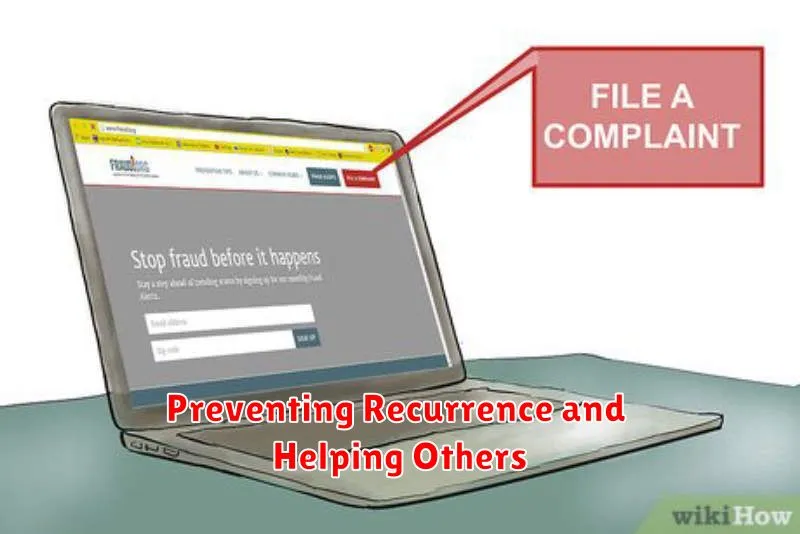
After reporting the incident, take steps to prevent recurrence. Change passwords for compromised accounts immediately. Monitor your financial statements closely for any unauthorized activity.
Consider sharing your experience to help others avoid similar scams. Inform local businesses or tourist information centers about the incident. You can also leave reviews on travel websites detailing your experience, while refraining from disclosing personally identifiable information.
When to Leave the Area for Safety
Your safety is paramount. If you feel threatened or unsafe during or after a scam or theft, immediately leave the area.
Seek a public place with other people present, such as a shop or restaurant. If the situation involved physical danger, go directly to the nearest police station.
Trust your instincts. If a situation feels wrong, it probably is. Removing yourself from the area is the best way to prioritize your well-being.
